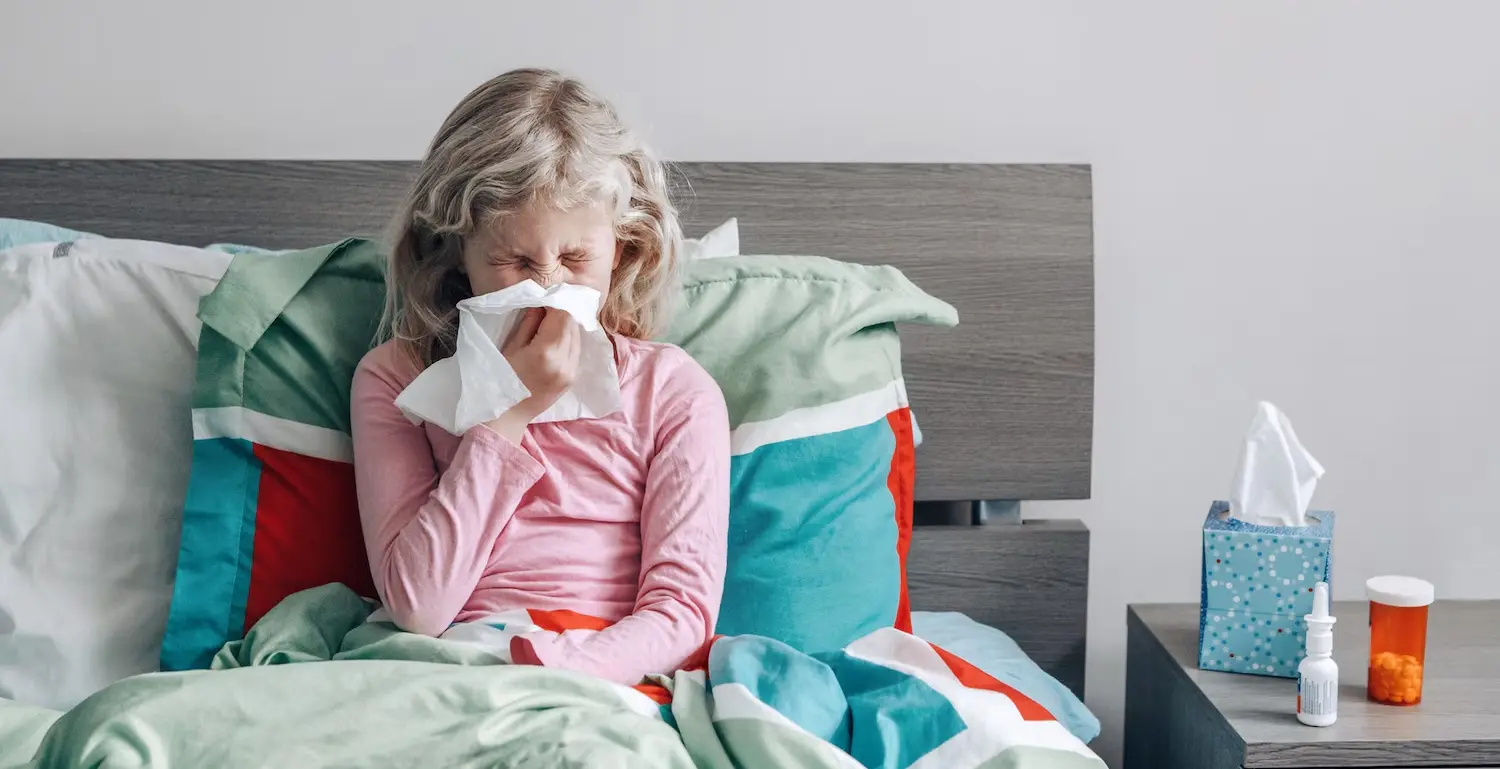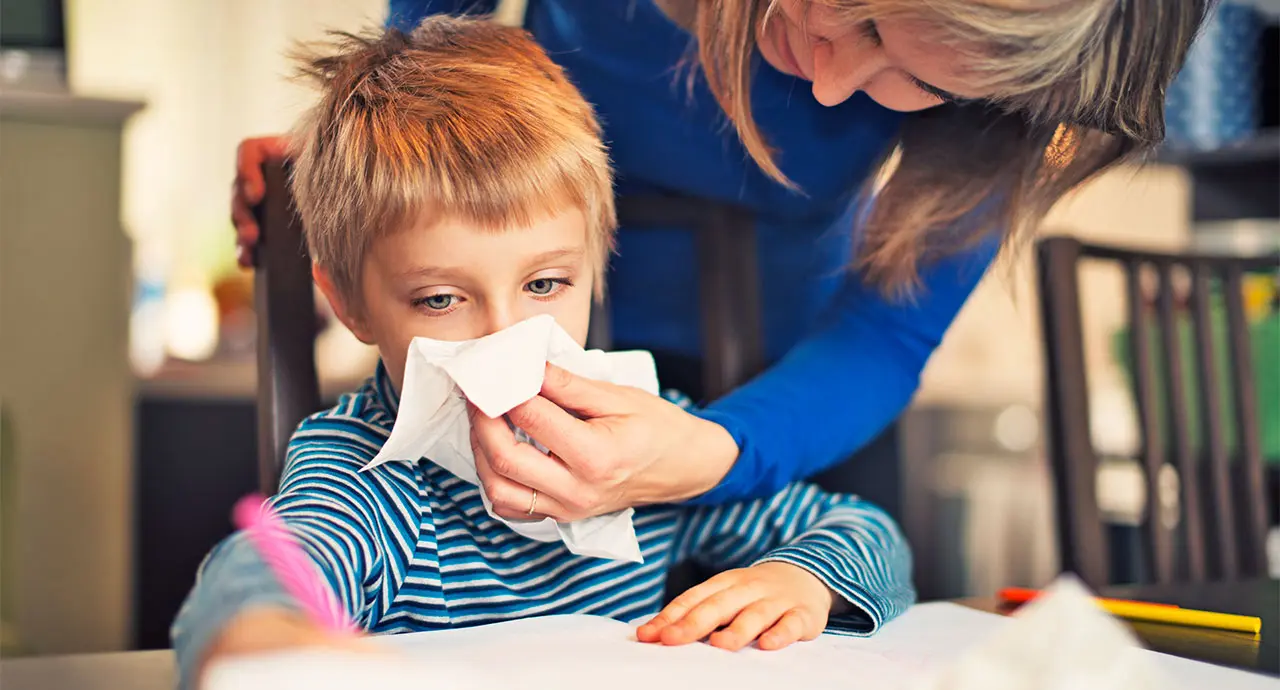
Fever is one of the most common reasons parents call the doctor - and one of the most misunderstood. While it can be scary to see your child with a high temperature, fever itself is not an illness. It's a sign that your child's body is fighting off an infection.
What Is a Fever?
A fever is defined as a temperature of 100.4°F (38°C) or higher. Normal body temperature varies throughout the day and can be affected by activity, clothing, and the environment. A slightly elevated temperature doesn't always mean your child is sick.
How to Take Your Child's Temperature
- Rectal (bottom): Most accurate for infants and young children
- Oral (mouth): Good for children 4 years and older
- Axillary (armpit): Less accurate but can be used for screening
- Temporal (forehead): Convenient but can be affected by sweating
- Tympanic (ear): Quick but may not be accurate in infants under 6 months
When to Worry
Call our office or seek medical care if your child:
- Is younger than 3 months with any fever (100.4°F or higher)
- Is 3-6 months old with a fever of 102°F or higher
- Has a fever lasting more than 3 days
- Is unusually lethargic or irritable
- Has difficulty breathing
- Shows signs of dehydration (dry mouth, no tears, fewer wet diapers)
- Has a rash that doesn't fade when pressed
- Has a stiff neck or severe headache
- Has persistent vomiting or diarrhea
How to Treat a Fever at Home
The goal of treating a fever is to make your child more comfortable - not to bring the temperature back to normal. Here's what you can do:
- Give fever-reducing medication: Acetaminophen (Tylenol) can be given to children over 2 months old. Ibuprofen (Advil/Motrin) can be given to children 6 months and older. See our dosing guide for proper dosages.
- Keep your child hydrated: Offer plenty of fluids - water, breast milk, formula, or an electrolyte solution.
- Dress your child lightly: Don't bundle them up. Light clothing helps heat escape.
- Keep the room comfortable: A slightly cool room temperature is better than a warm one.
- Lukewarm baths: A lukewarm (not cold) bath may help. Never use cold water, ice baths, or rubbing alcohol.
Fever Myths
-
Myth: High fevers cause brain damage.
Fact: Fevers from infection rarely go above 105°F and do not cause brain damage. Brain damage can occur from heatstroke (external heat source), not fever. -
Myth: You must treat every fever.
Fact: If your child is comfortable and drinking well, you don't need to give medicine. Fever helps the body fight infection. -
Myth: Teething causes high fevers.
Fact: Teething may cause a slight temperature increase but not a true fever. If your child has a fever over 100.4°F, look for another cause.
When to Return to School or Daycare
Your child can return to school or daycare when they have been fever-free for at least 24 hours without fever-reducing medication. This helps prevent spreading illness to other children.